
Trust Before Traction: 4 African Fintechs That Cracked the Startup Legitimacy Code

Discover how four African fintechs built startup legitimacy through trust, inclusion and credibility—and what entrepreneurs can learn from them.

Discover how four African fintechs built startup legitimacy through trust, inclusion and credibility—and what entrepreneurs can learn from them.

Opportunity recognition should not stop at identifying unmet needs or testing customer demand. Entrepreneurs must also ask whether the opportunity is institutionally acceptable, socially desirable, and ethically defensible.

Opportunity Recognition Needs a Wider Lens. Conventional entrepreneurship wisdom is not wrong. Entrepreneurs should identify unmet needs, understand customers, validate demand and test their assumptions. But those activities answer only one question:
Is there a market here?
A more complete approach asks another:
Can we pursue this opportunity in a way that people consider legitimate?

Entrepreneurship usually begins with a question: Where is the opportunity?Conventional wisdom has a fairly clear answer. Look for unmet customer needs, identify markets with attractive demand, determine whether solving the problem can create economic value, and then test the idea before investing heavily.

The question is no longer simply: Can I build a product people want? It is also: Can I build enough trust, legitimacy and readiness around this venture for people to continue supporting it? Because every sustainable venture strengthens the ecosystem. And every avoidable failure can make the road harder for whoever comes next.
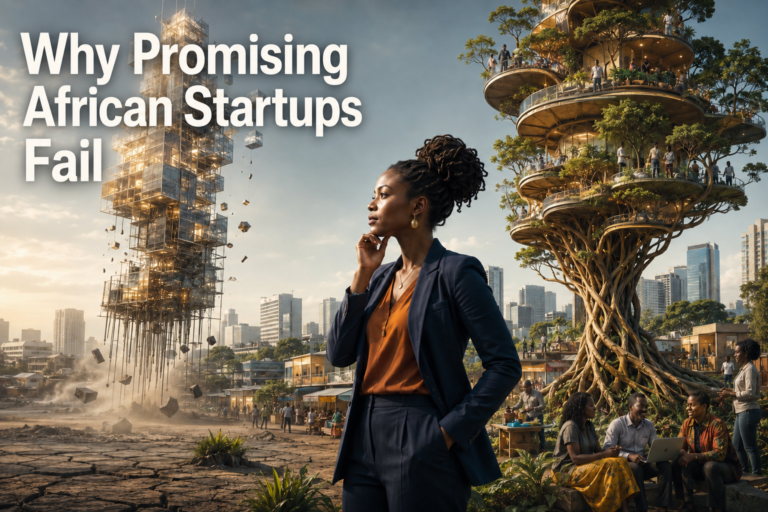
Before asking how quickly your startup can scale, ask the more important question: Has it become suitable for the society in which it intends to survive?

Great entrepreneurs do more than identify markets. They identify places where something important is missing — and determine whether they can legitimately, responsibly and sustainably fill that gap. That requires moving from Total Addressable Market to Total Addressable Void.

Preventing startup failure therefore requires more than product–market fit. It requires Entrepreneurial Change Readiness (ECR): the collective capacity of founders and their stakeholders to understand, accept, support and sustain the changes a venture introduces.

Commercial pressure can make small compromises appear necessary: exaggerating a claim, concealing an inconvenient fact, underpaying a desperate supplier or accepting money from a misaligned client. Yet repeated compromises eventually redefine the business.

Why the strongest founders make hard choices before they scale Many fintech founders are celebrated for being ambitious, visionary, and opportunistic. But when you study the ventures that actually endure, a different pattern emerges. The founders who survived uncertain markets…